
Despite your best efforts, it’s natural for teeth to wear down over time. There’s always a chance you’ll have an accident and chip a tooth. Oral decay is also a major risk – more than 90% of American adults have at least one cavity. Still, there’s a great way to repair this dental damage: dental crowns in San Marcos! We at Dr. Nelson Y. Howard’s dental office can use this option to fix your weak teeth. For more details, just keep reading or schedule a visit to see us.

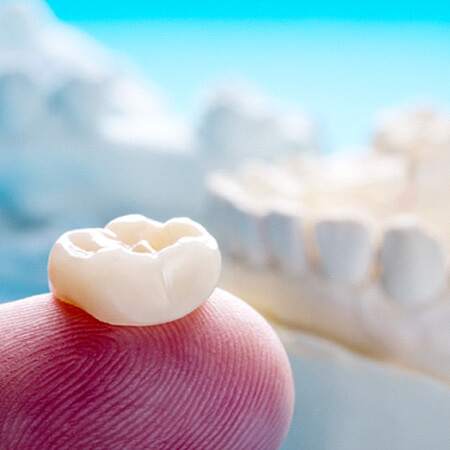
A dental crown is basically a tiny cap that fits over a damaged or worn-down tooth. Once in place, it both hides and protects your tooth’s weakened area. The result is a healthier and more pleasing smile, as our dental crowns use pretty and durable porcelain.
Given how dental crowns work, the ideal candidates for them tend to have:
All that said, please consult Dr. Howard before you settle on a treatment. He could perform an oral exam and assess your tooth (or teeth). From there, he’ll know whether a dental crown suits you.
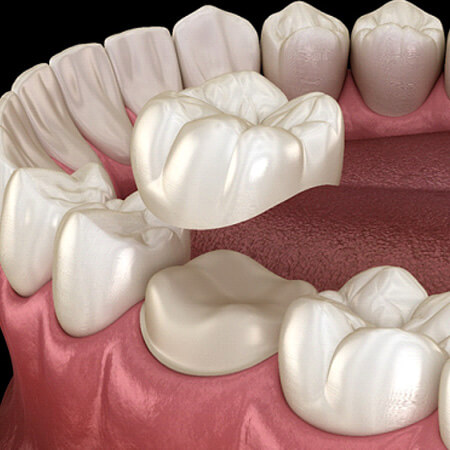
The average dental crown procedure takes two dental visits. At the first appointment, we’ll prep your tooth to receive its restoration. Our team will place your dental crown at the second visit a few weeks later.
For the first treatment session, we’ll prep you for your crown. This work requires us to remove some enamel from the treated tooth. After this removal, we’ll make an impression of the now-prepared tooth and send it to a dental lab. Lab workers will then use the impression to craft your final restoration. Since their crafting method takes a few weeks, you’ll wear a temporary crown in the meantime.
You’ll attend the follow-up visit when your dental crown is ready. Placing this prosthetic shouldn’t take long, nor will it involve sedation. Dr. Howard will simply set the crown in place and make some last-minute changes to ensure a good fit. From there, he’ll polish this dental cap and send you on your way!

Unless you get a damaged tooth treated, it’ll cause a host of oral problems. Luckily, a dental crown lets you avoid those issues altogether. It offers crucial benefits like:

Even if you know that a dental crown is the best way to restore your tooth after injury or infection, it’s perfectly reasonable to ask how much your device will cost before you commit to the treatment. Each dental crown is unique, so the price of one can differ significantly from that of another, and the staff at Dr. Howard’s practice will be happy to provide you with a proper price estimate when we see you for your consultation. Here’s a quick guide to the costs associated with dental crowns from our office in San Marcos.

The cost of your dental crown will be mostly determined by four factors, those being:
It’s always important to remember that a cheap dental crown probably isn’t an ideal dental crown. It’s best to make sure your restoration is of high quality, and Dr. Howard’s team will be happy to place a durable and beautiful device that can last for many years if it receives proper care.

Dental insurance plans usually treat dental crowns as necessary major restorative procedures, so they are usually covered by about 50%. However, the terms of your plan may specify a rate different from this, so it’s important to confirm what your policy will pay for before receiving your restoration. We’ll be happy to help you understand your plan and file any necessary paperwork with your insurance provider.

Many patients may have difficulty fitting their dental crowns into their budgets, and we’re eager to make sure that all our clients can afford the care they need. To help make crowns and other treatments more affordable, we offer flexible financing options from CareCredit that will allow you to pay your bill in easy monthly installments with little to no interest. The team at Dr. Howard’s office will be sure to help you understand your payment and financing options during your consultation.
Dental crowns are not technically permanent because they will eventually need to be replaced. However, dental crowns are a long-term solution. They typically can protect your teeth from anywhere from 5 to 15 years. When your dentist reshaped your tooth for a crown, that procedure is irreversible. Tooth enamel doesn’t grow back after it has been lost, so that tooth will always need a crown for protection moving forward. That being said, crowns protect the teeth from ensuring additional damage, helping them to survive for much longer than they likely would have otherwise. You can keep your crown in great shape for many years by keeping up a good oral hygiene routine and seeing your dentist for regular cleanings and checkups.
The only way to know for sure whether a crown needs to be replaced is to have X-rays taken or to have it visually examined by your dentist. Here are some common warning signs that could indicate that you should have yours replaced:
Many patients are hesitant to commit to dental treatment because they are worried it will be painful. Fortunately, we will always do everything we can to make you feel as comfortable as possible in the dental chair. Just like with dental fillings, your dentist will begin by numbing the area with a local anesthetic. You shouldn’t feel a thing during the procedure itself. You may experience some soreness for a few days afterward, but this can be managed with over-the-counter pain relievers.
Dental crowns cannot be whitened like tooth enamel can. Tooth enamel has tiny pores through which bleaching gels can enter and break apart stains, but dental crowns do not. Therefore, your crown should remain the same color. Metal-free crowns are designed to blend with your surrounding teeth as closely as possible. To minimize the risk of your natural teeth becoming discolored and making your crown stick out, ask your dentist about getting teeth whitening before your crown is placed. This way, your crown can be matched to the ideal shade of your teeth.
